2026 Volkswagen Golf review
The Golf 110TSI is still one of the most polished small hatchbacks on sale, but nearly $40,000 before on-roads and pricey servicing make it a hard car to justify on value.

Rob Leigh
Pros
- Grown-up ride and handling that rivals still can’t match
- Solid build and comfortable front seats
- Big boot with a proper space-saver spare
Cons
- Base Life costs the same as rivals’ upper grades
- Expensive servicing and only a five-year warranty
- Cloth trim and no privacy glass for the money
Our verdict
The Golf remains one of the best small cars to drive, and even the entry-level Life feels well built and comfortable. It suits buyers who care more about how a car drives and how well it’s built than how much kit it carries. Unfortunately, the base Golf costs about the same as a top-spec Corolla and servicing is considerably more expensive.
What does the Golf cost in Australia?
The 110TSI range opens with the Life at $39,290 before on-roads, then steps up to the Style at $44,350 and the R-Line at $48,690. All three share the same 1.4-litre turbo petrol engine and eight-speed automatic, so the extra money buys equipment and styling rather than performance. Our Life test car works out to around $44,000 driveaway.
The problem is what else you can buy for the same money. The Life sits at the same price as the Toyota Corolla ZR Hybrid and Kia K4 Sport+ hatch, both well-equipped upper grades with heated seats, bigger screens and more tech.
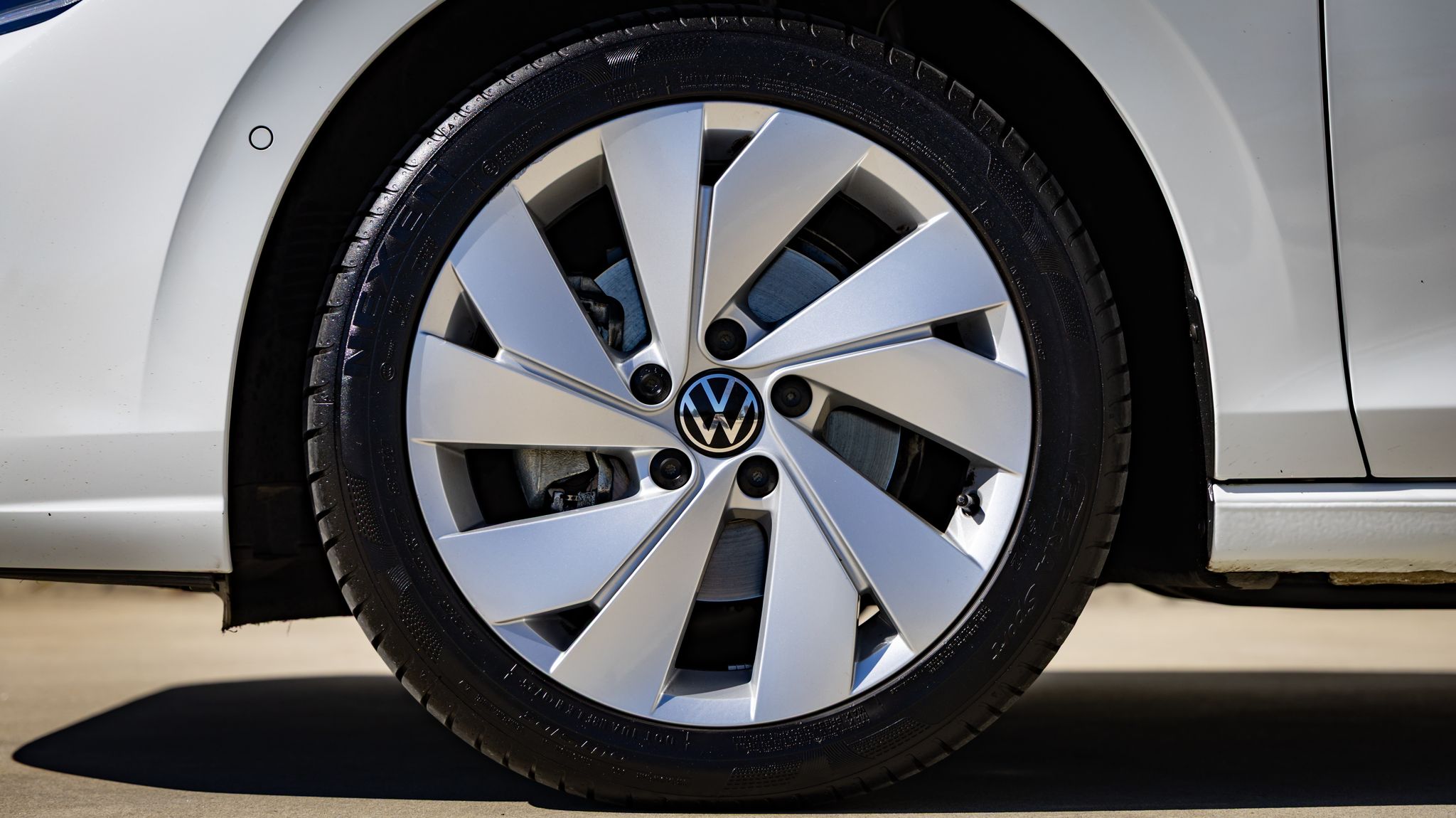
The Life isn’t bare. You get 17-inch alloys, LED headlights, a 10.3-inch touchscreen with wireless Apple CarPlay and Android Auto, a 10.2-inch digital instrument cluster, a cooled wireless phone charger, keyless entry and start, and single-zone climate control. The seats are cloth with manual adjustment, though, and that’s a hard sell at this price.
The Style adds the larger 12.9-inch screen, 18-inch wheels, upgraded LED headlights, built-in navigation, privacy glass and nicer microfleece seat trim. If you want a nicer interior, the Style is worth considering. The R-Line adds sportier styling, sports seats and selectable drive modes, but at nearly $49,000, I’d struggle to justify it over the cheaper grades.
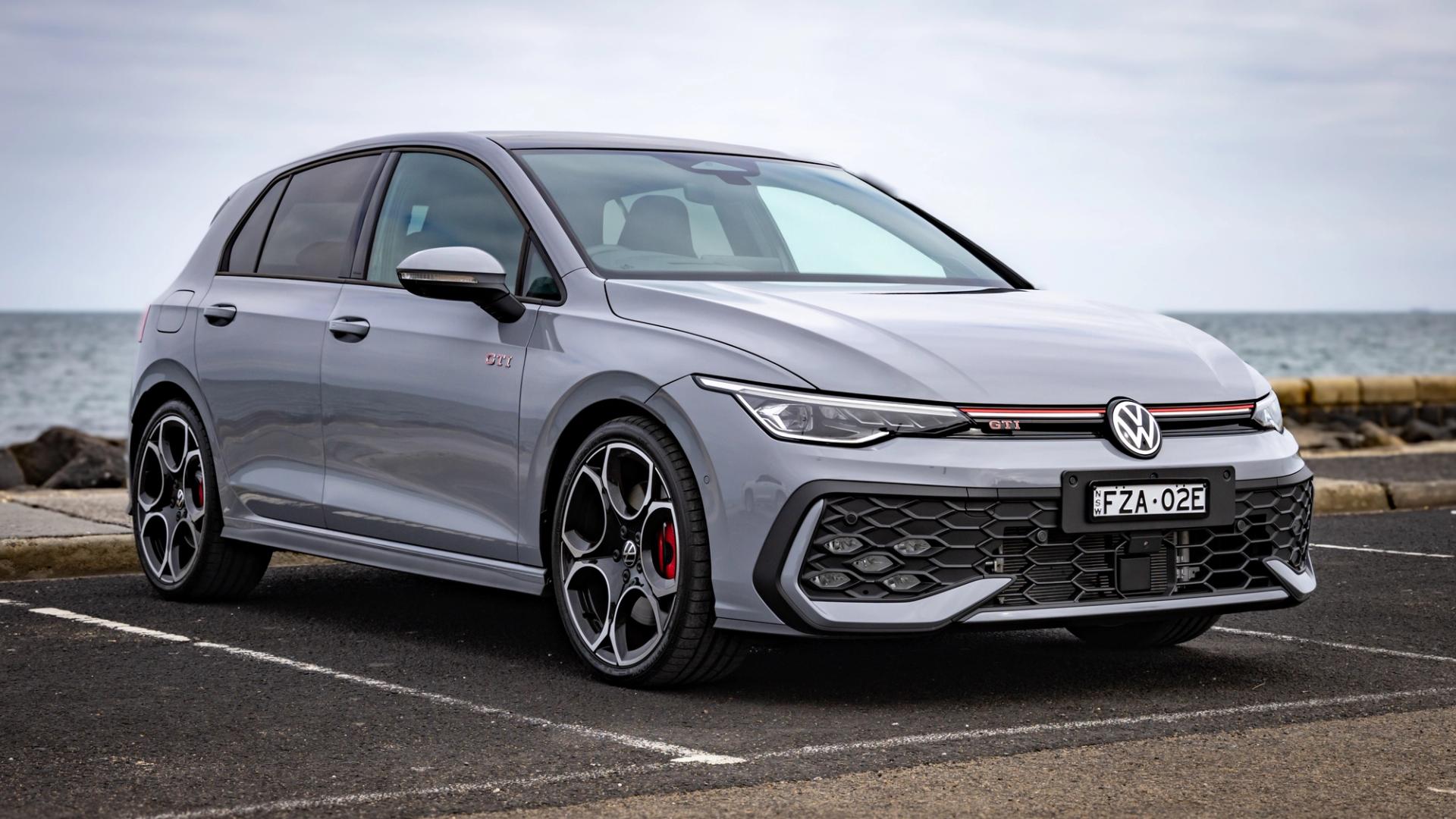
If you want more performance, read our 2026 Volkswagen Golf GTI review.
| Specifications | 110TSI Life (tested) | 110TSI Style | 110TSI R-Line |
| Price excluding on-roads | $39,290 | $44,350 | $48,690 |
| Powertrain | 1.4L turbo petrol | 1.4L turbo petrol | 1.4L turbo petrol |
| Power | Torque | 110kW | 250Nm | 110kW | 250Nm | 110kW | 250Nm |
| Transmission | 8 speed auto | 8 speed auto | 8 speed auto |
| Drivetrain | FWD | FWD | FWD |
| Fuel use (claimed) | 6.3L/100km | 6.3L/100km | 6.3L/100km |
| Braked towing | 1500kg | 1500kg | 1500kg |
| ANCAP | Five stars (2022) | Five stars (2022) | Five stars (2022) |
| Warranty | 5 years | Unlimited km | 5 years | Unlimited km | 5 years | Unlimited km |
View Golf driveaway pricing and specifications →
What does the Golf look like?
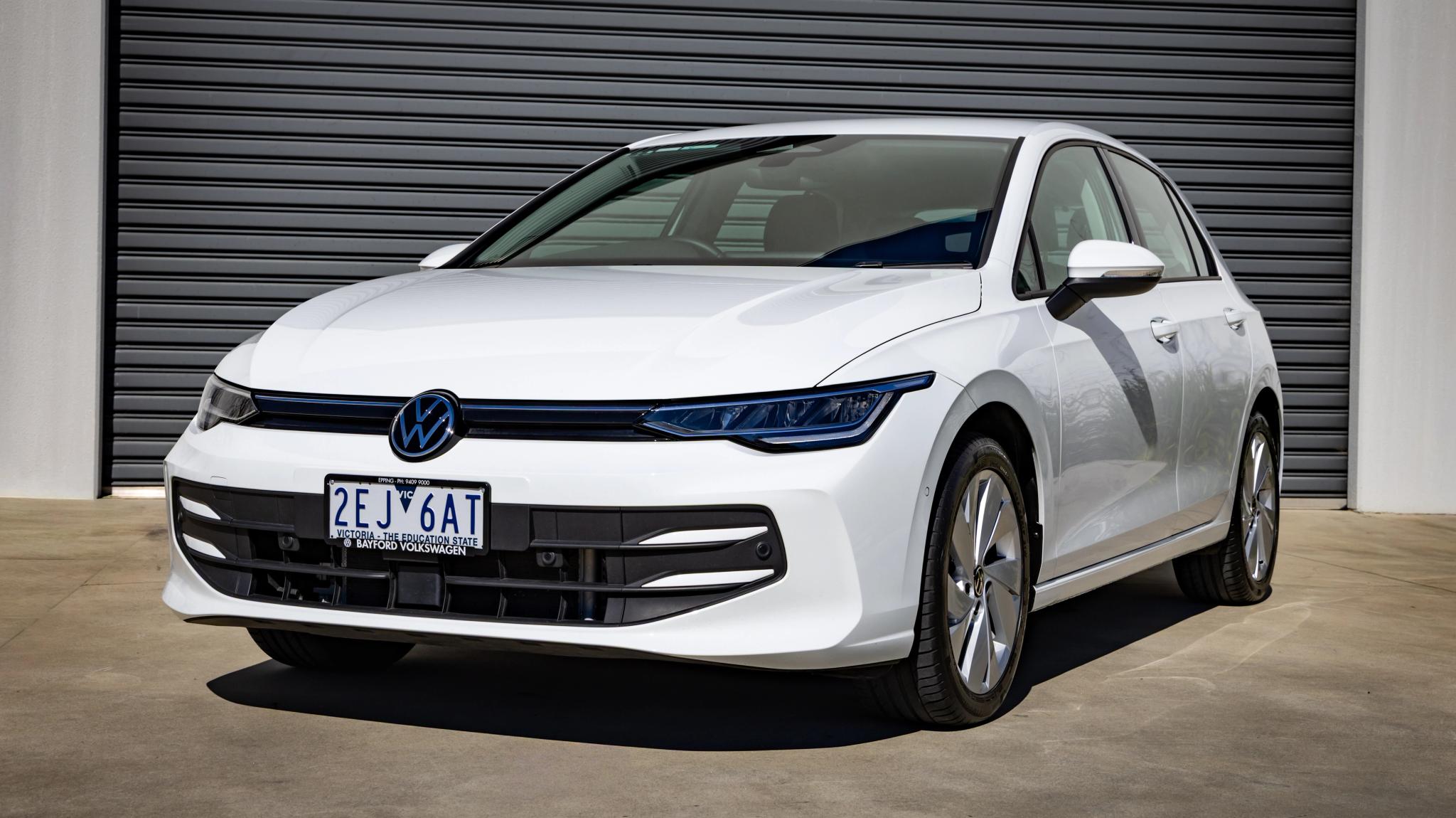
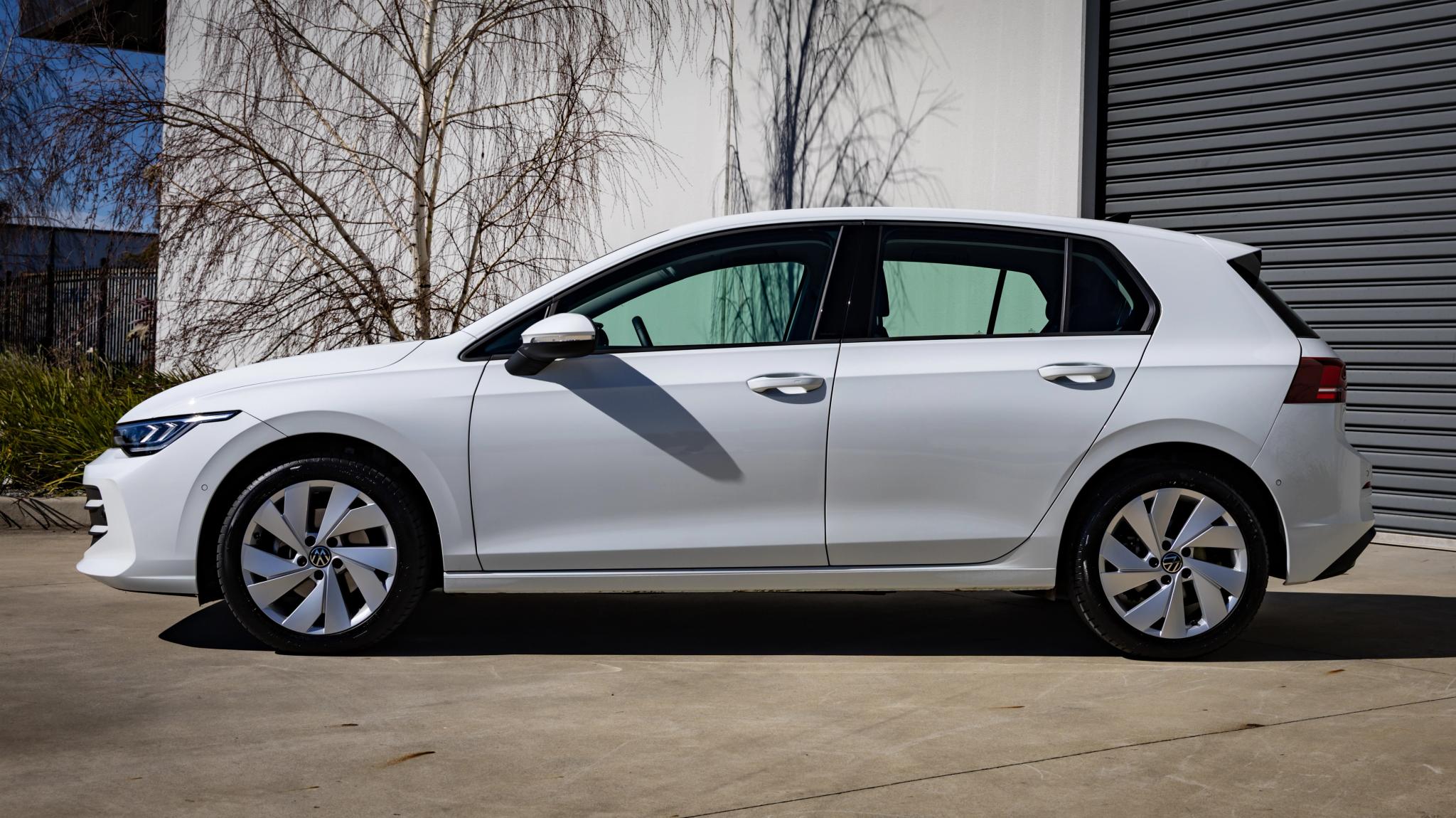
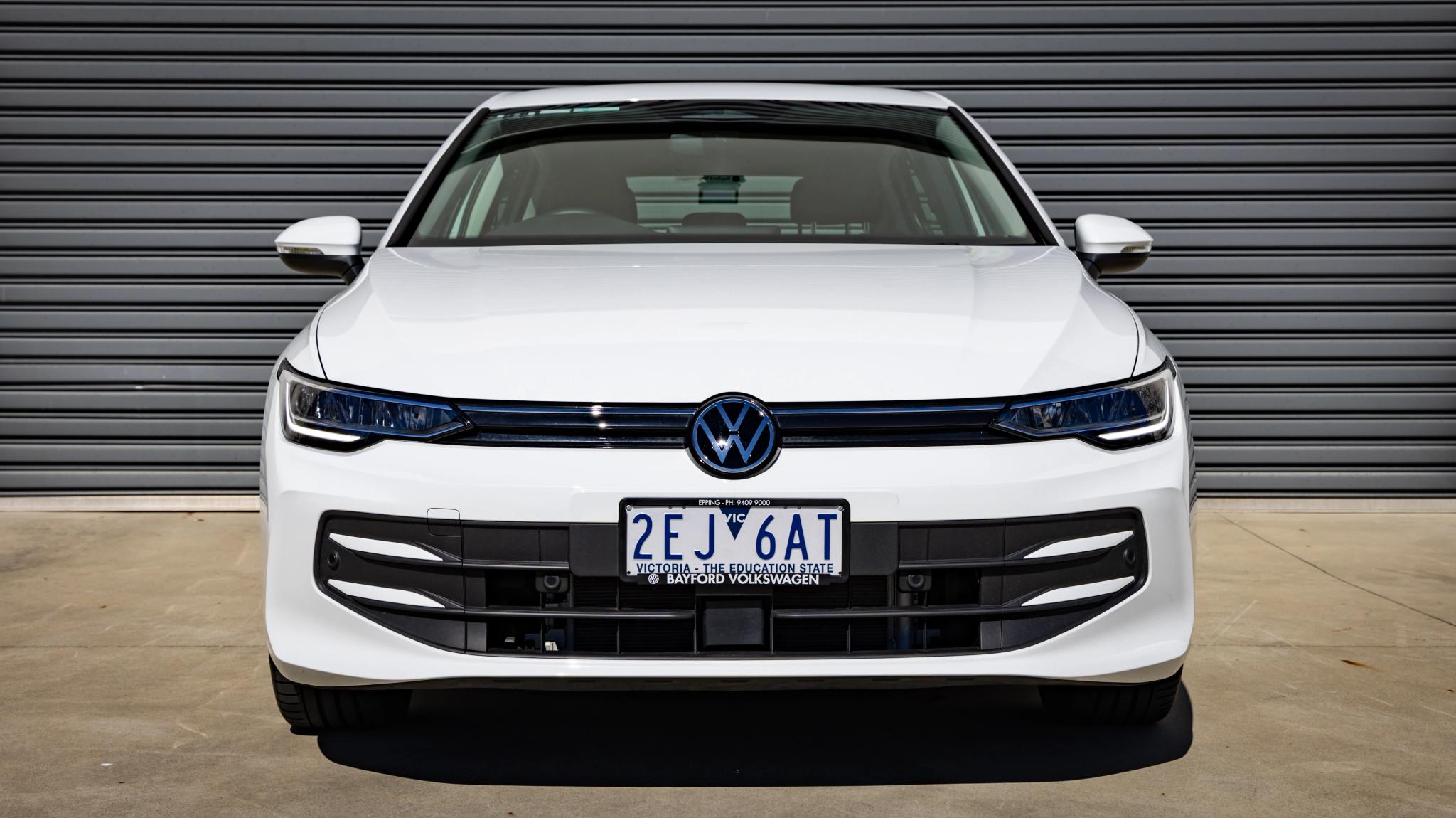
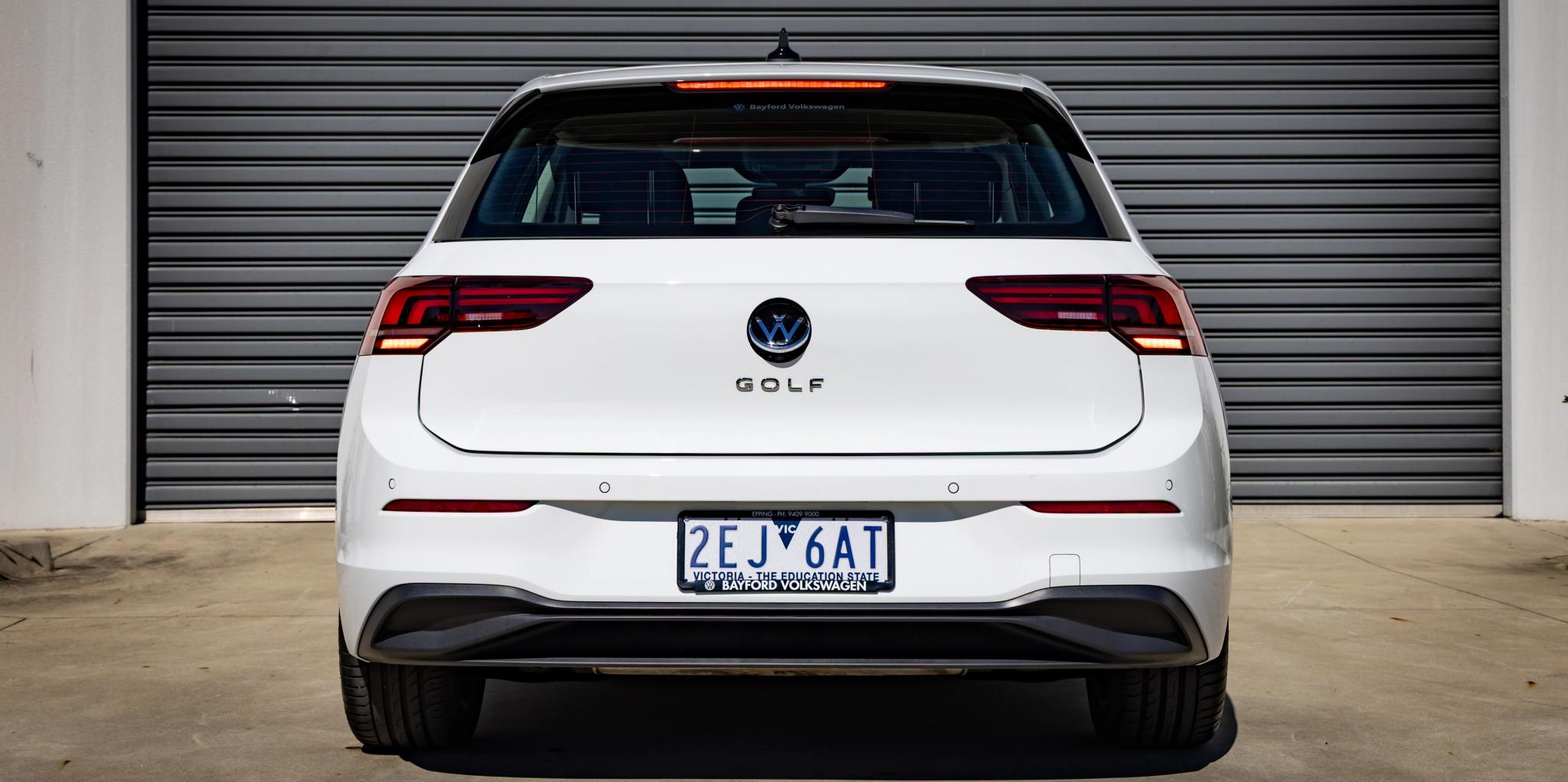
The updated Golf looks much like the old one, which I think is a good thing. The 8.5 update brings a reworked front bumper, new LED light designs and fresh wheel styles, but the shape is unmistakably Golf with the thick rear pillar and tidy, compact proportions it’s had for decades.
Even the base Life looks pretty good on its 17-inch alloys. Thin LED headlights and illuminated door handle recesses add a bit of polish at night. The R-Line looks sportier with its different bumpers and larger wheels, but I actually prefer the simpler styling of the Life.
At 4282mm long, it’s on the compact side of the small-car class. That makes it easy to park and place on the road without feeling cramped inside.
What is the Golf like inside?
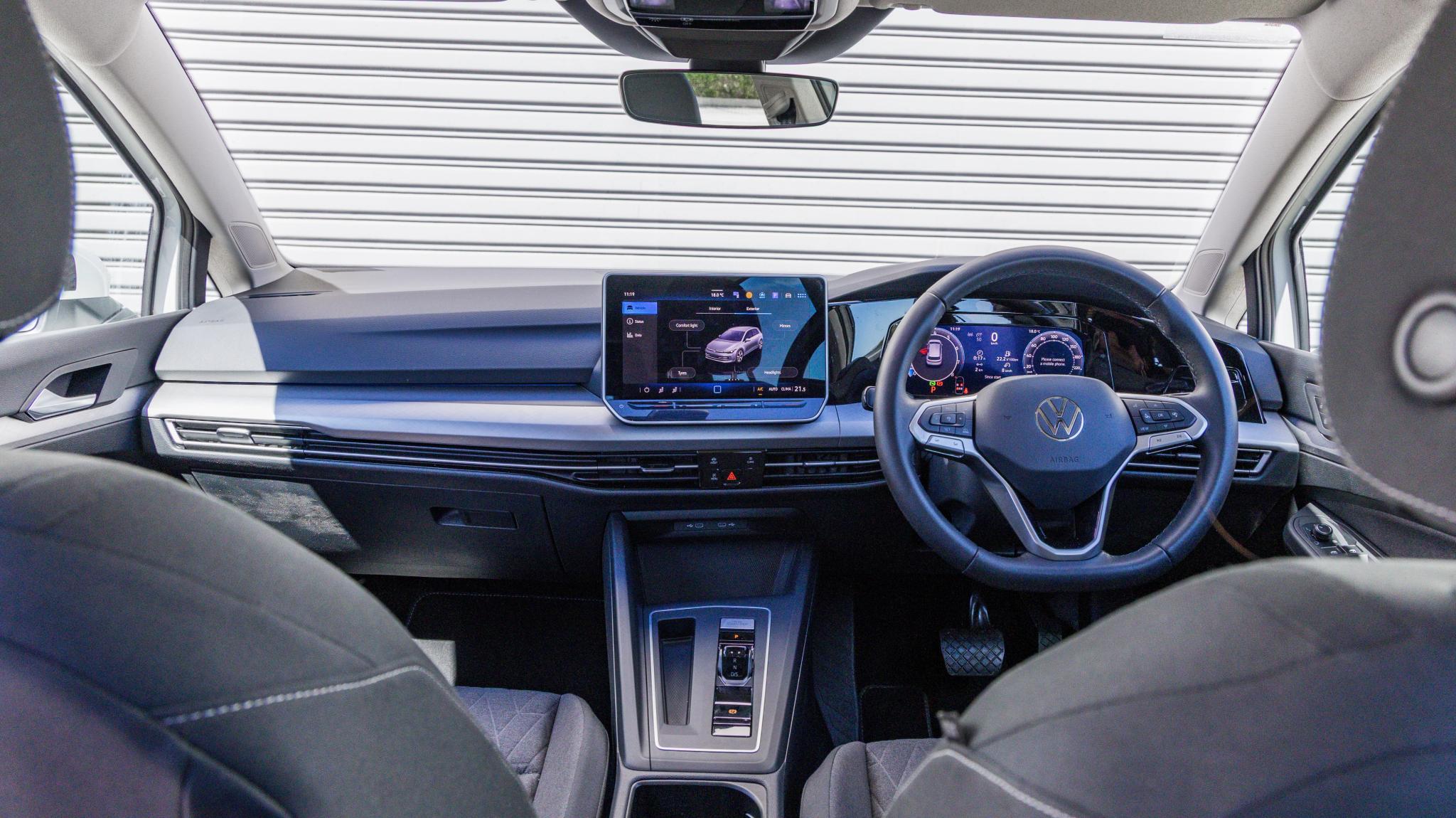
The Golf still has one of the better-built interiors in the small-car class.
Panels line up, the switchgear feels solid and there’s soft-touch material where your hands and elbows land. There are some cheaper plastics further down though, and the cloth upholstery feels pretty ordinary for a car costing nearly $40,000.
One thing I really like about the Golf is its front seats. They’re supportive on longer drives and, even with manual adjustment, it’s easy to find a low, comfortable driving position.
The 10.3-inch touchscreen runs Volkswagen’s newer software, and it’s quicker and far simpler to navigate than the system in the pre-update Golf. Volkswagen has also brought back physical buttons on the steering wheel, which fixes one of the biggest complaints about the old car.
I still don’t like Volkswagen’s touchscreen climate controls. Temperature and volume use touch sliders under the screen, which are now lit at night, but fan speed and most other settings sit inside the touchscreen menus. Adjusting the fan on the move means taking your eyes off the road and a couple of physical dials would solve that.
How practical is the Golf?
Up front there’s plenty of storage including door bins that take large bottles, twin cupholders and a centre box with an adjustable, sliding armrest lid. Two USB-C ports sit up front with another two in the back.
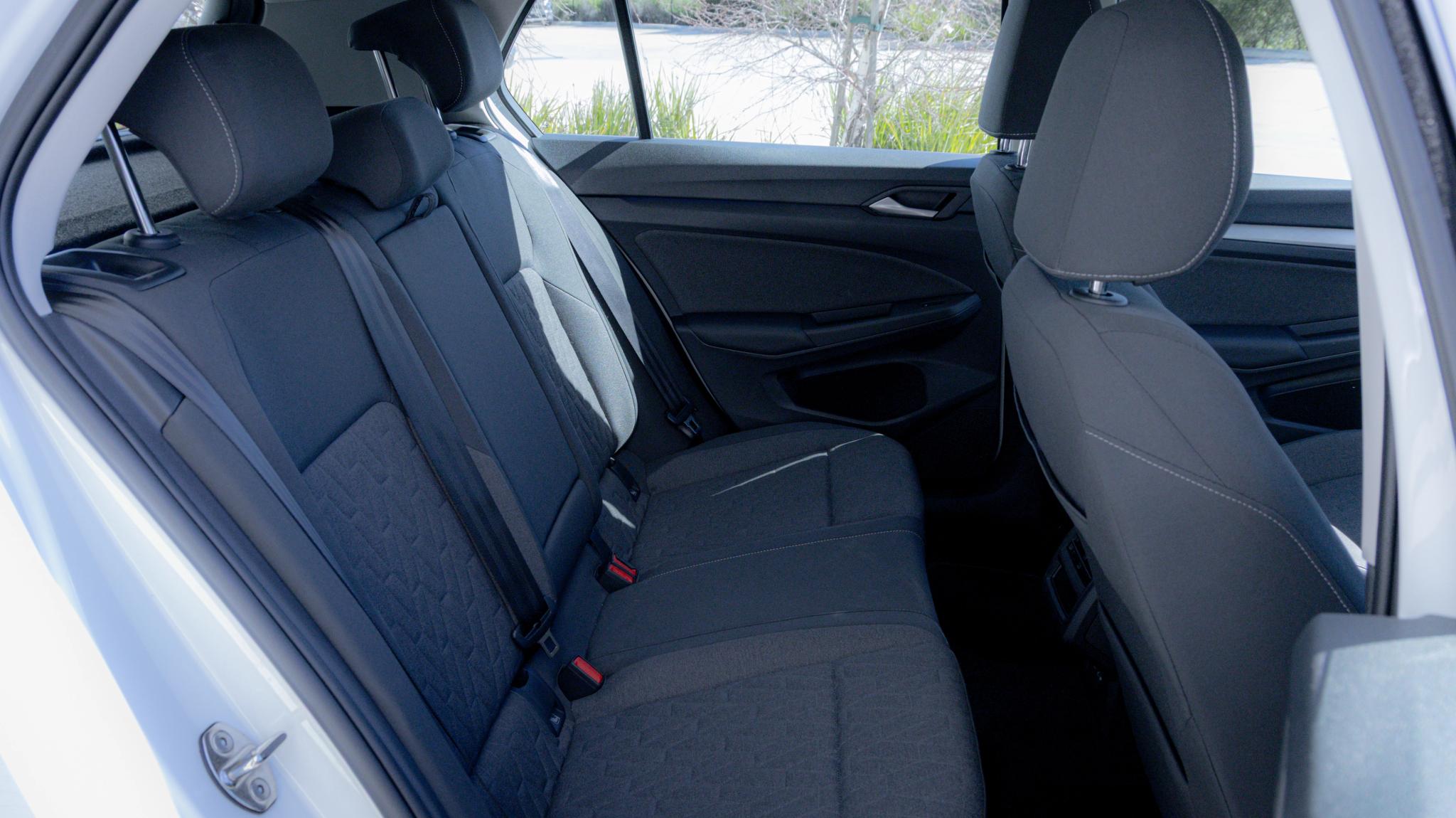
There’s enough space in the back for two adults to sit comfortably, though the high transmission tunnel eats into the middle passenger’s footroom. Rear air vents, a fold-down armrest with cupholders and a ski port are all standard.
The Life misses out on privacy glass, which is a real omission under Australian sun, especially if you have kids in the back. Two ISOFIX points and three top tethers handle child seats.
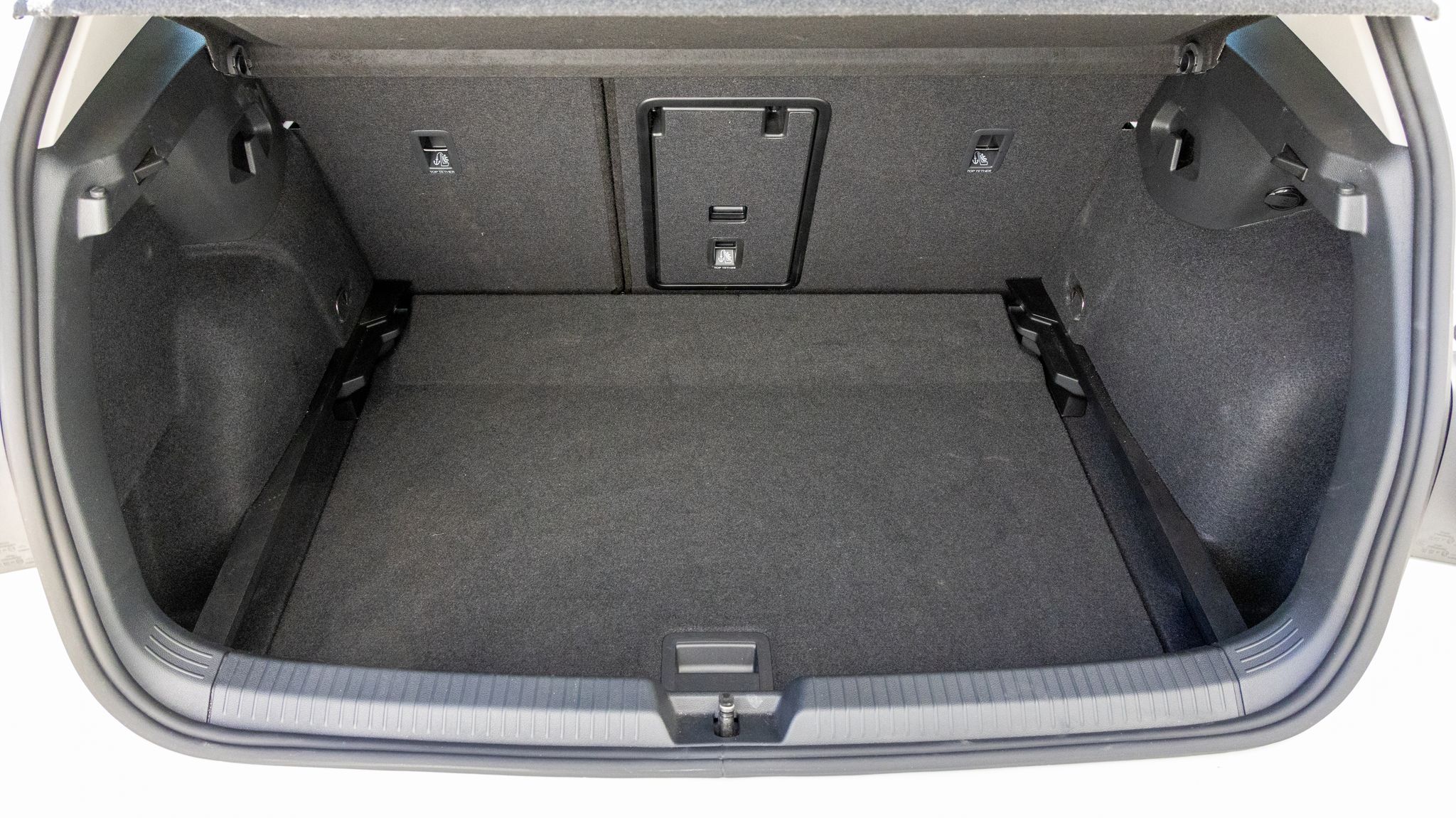
The 381-litre boot is also bigger than you’ll find in most small hatchbacks and far bigger than the Corolla hatch’s. The rear seats fold 60/40 to open up well over 1200 litres, and there are bag hooks and tie-down points to stop the shopping sliding around.
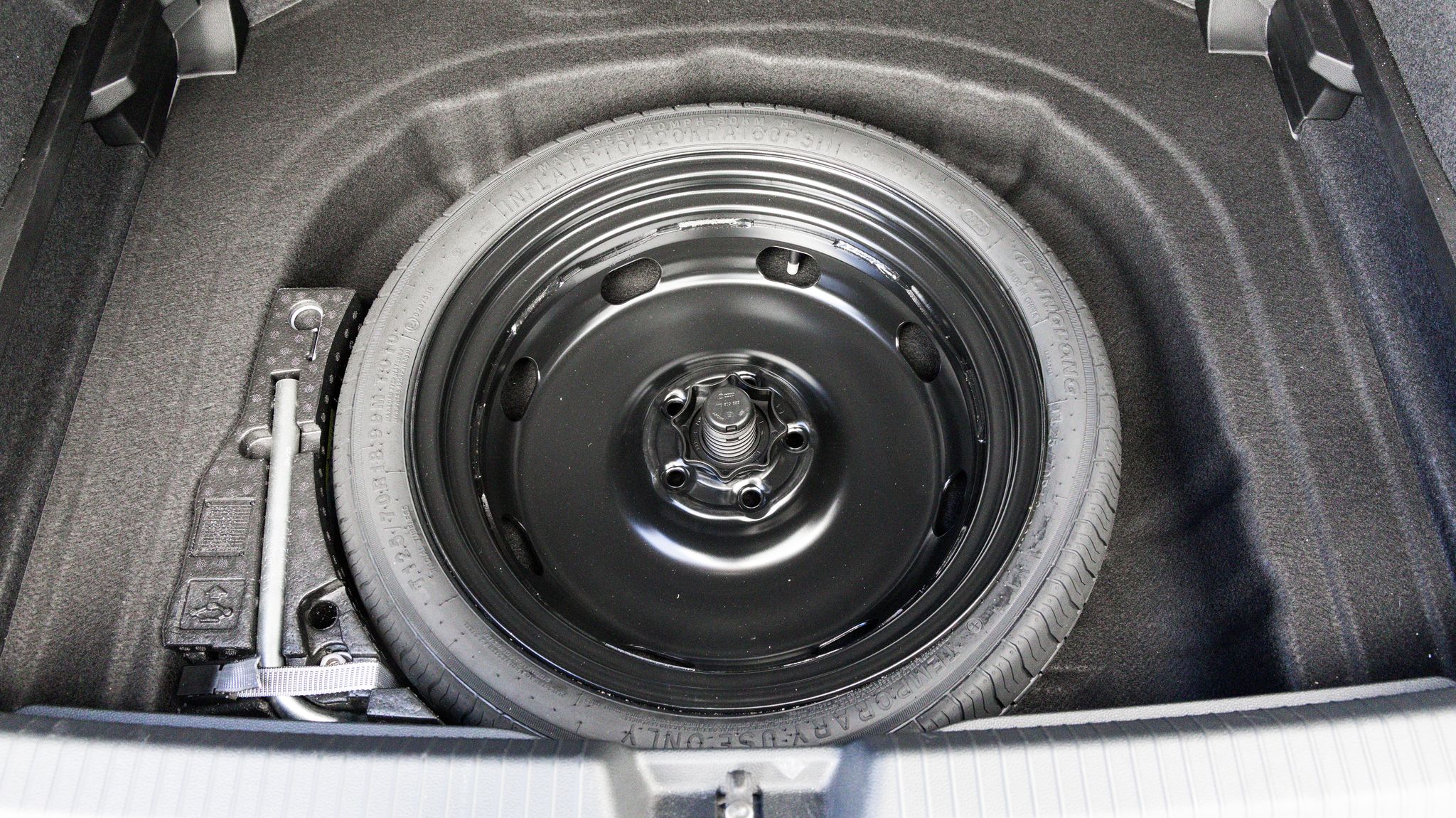
Best of all, there’s a space-saver spare tyre under the floor. I’m glad Volkswagen still includes a spare wheel, particularly when so many rivals only give you a tyre repair kit. Braked towing is rated at 1500kg, enough for a small box trailer or a light camper.
What is the Golf like to drive?
Get behind the wheel and you quickly understand why the Golf is still so highly regarded.
The steering is accurate and naturally weighted, giving you a clear sense of what the front tyres are doing without ever feeling heavy around town. Through corners, the Golf feels well balanced, with excellent body control and plenty of grip.
It’s also surprisingly comfortable over rough roads. For a car with a short wheelbase, the Life soaks up suburban bumps and patchy country roads well, and its 17-inch wheels with taller tyre sidewalls make it the most comfortable grade in the range. Wind noise is low at highway speed, though coarse-chip surfaces bring some tyre roar into the cabin.
The 1.4-litre turbo makes its torque low in the rev range, so it pulls cleanly from traffic lights and doesn’t need to be worked hard. There’s enough performance for overtaking and merging onto highways, although nobody is going to mistake it for a GTI.
The eight-speed automatic is smooth and well suited to stop-start traffic. It can take a moment to respond when you squeeze the throttle while rolling out of a roundabout, but it’s never jerky. Put the gearbox into Sport and use the paddles, and the Golf is actually quite fun to drive on a winding road.
How efficient is the Golf?
Volkswagen claims 6.3L/100km on the combined cycle. Expect mid-sevens in mixed city and suburban driving, rising a little in heavy traffic. That’s acceptable for a petrol-only car, but the hybrid Corolla and Civic use noticeably less, and the Golf needs 95 RON premium unleaded, which adds to every fill of the 50-litre tank.
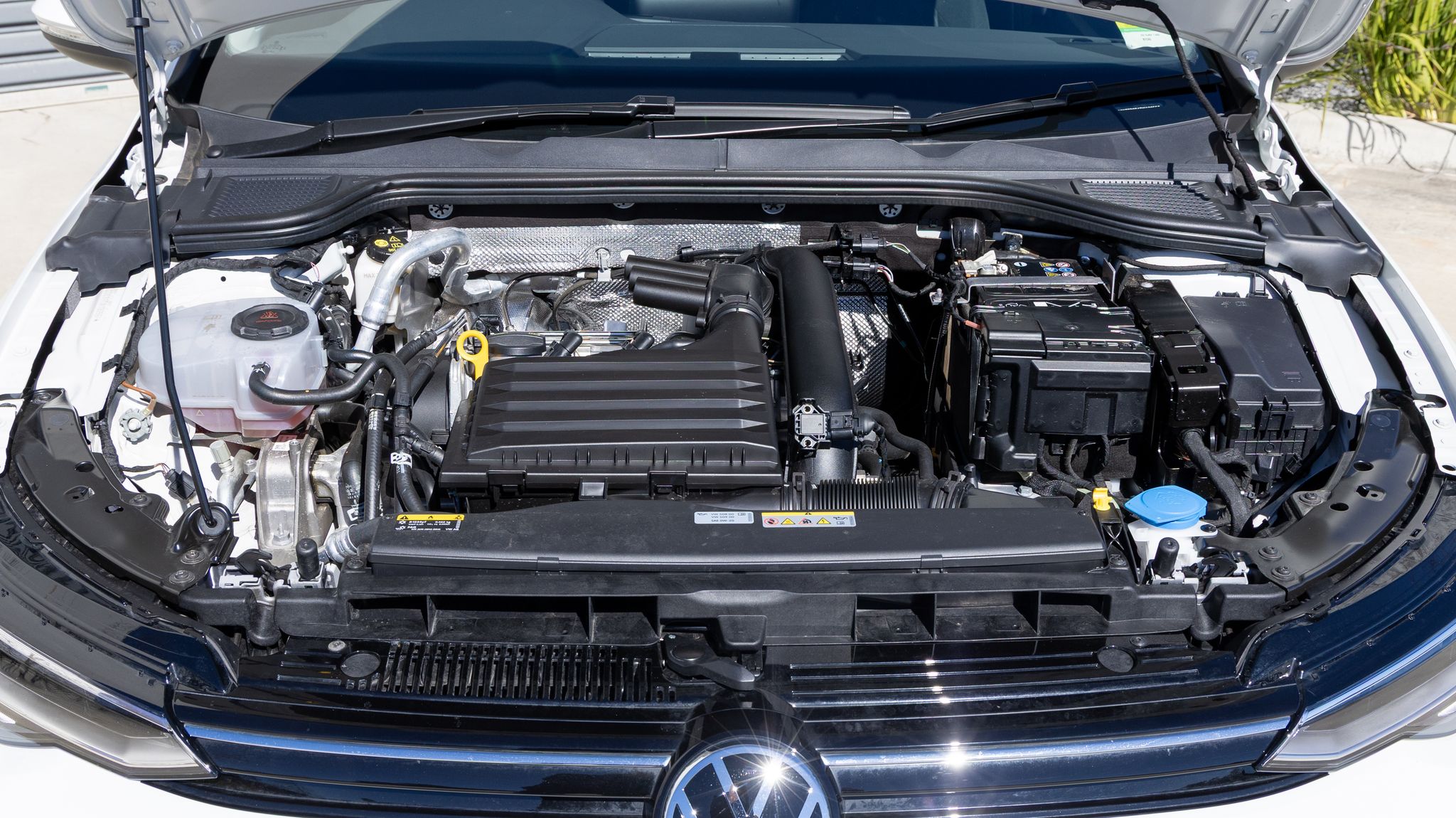
Volkswagen doesn’t offer a hybrid version of the 110TSI in Australia, so there’s no option to bring those fuel costs down.
Servicing is also considerably more expensive than it is for most Japanese and Korean rivals. The figure below is for Volkswagen’s five-year Care Plan, which is the cheapest way to service a Golf but has to be bought before the first scheduled service.
Even so, it’s around double what Toyota charges for a Corolla Hybrid over the same period. Volkswagen has a large dealer network, including regional areas, and the five-year warranty matches Toyota and Mazda but trails Kia and Hyundai at seven years.
| Servicing and Warranty | Golf 110TSI |
| Service interval | 12 months | 15,000km |
| Servicing cost (5 years) | $2940 |
| Average annual cost | $588 |
| Vehicle warranty | 5 years | Unlimited km |
Is the Golf safe?
The Golf carries a five-star ANCAP rating from 2022, with strong scores for adult and child occupant protection. That’s a real advantage over the Corolla, whose rating has expired.
Every 110TSI gets nine airbags, autonomous emergency braking with pedestrian and cyclist detection, adaptive cruise control with stop-and-go, lane-keeping assist, blind-spot monitoring, driver fatigue detection, front and rear parking sensors, a reversing camera and a self-parking function.
The driver aids are refreshingly calm, with few unnecessary warnings. The flip side is that lane-keeping is gentle and doesn’t step in much. A 360-degree camera isn’t available on the Life.
What are the main competitors to the Golf?
The Toyota Corolla Hybrid starts at around $32,100 before on-roads, and the ZR Hybrid hatch costs about the same as the Golf Life. The ZR brings heated sports seats, a head-up display and JBL audio, and its hybrid system uses far less fuel. The Golf has a bigger boot, handles better and currently has a five-star ANCAP rating.
The Mazda3 starts at around $31,600 before on-roads, and the G25 GT Vision hatch lands at about Golf Life money with a bigger engine, leather trim and a beautifully finished cabin. It’s the closest rival for quality. The Golf is roomier in the back and the boot, and rides better.
The Kia K4 hatch starts at $32,090 before on-roads, and the Sport+ costs almost exactly the same as the Golf Life. For the same money, the Kia gives you considerably more equipment and a seven-year warranty. The Golf is the more polished car to drive and live with.
The Honda Civic hybrid starts at $49,900 driveaway for the e:HEV L. It’s more expensive, but it pairs Golf-like driving quality with excellent hybrid fuel economy and a long equipment list. If running costs matter, it’s worth the stretch over a Golf Style or R-Line.
If I were spending $40,000 on a small hatch and wanted the most equipment, I’d be looking at the K4. If I wanted the best car to drive every day, I’d still buy the Golf and I’d negotiate hard.
Should I buy the Golf?
Few small hatchbacks are as enjoyable to drive or as comfortable as the Golf. It has a solid interior, a big boot and a proper spare tyre. Volkswagen has clearly spent a lot of time getting the fundamentals right.
What’s changed is the price. A base Golf now costs the same as well-equipped upper grades of its main rivals, comes with less equipment, drinks premium fuel and costs around twice as much to service. For many buyers, that gap is too big to ignore.
If you value driving quality and plan to keep the car for years, the Golf Life is the one to buy. Skip the R-Line, buy the Care Plan up front and negotiate hard, as dealer demonstrators and run-out stock regularly appear well below list price.
Drive one before you decide, because the Golf makes its best argument from behind the wheel.
VerdictThe Beep Verdict
Rob Leigh
Co-founder & Director
Rob Leigh is Co-founder and Director of The Beep based in Melbourne, Australia. He has 15+ years inside a major automotive OEM, specialising in product planning, pricing and vehicle strategy.
About Author